
Celebrating Hackney’s past, shaping its future – since 1967
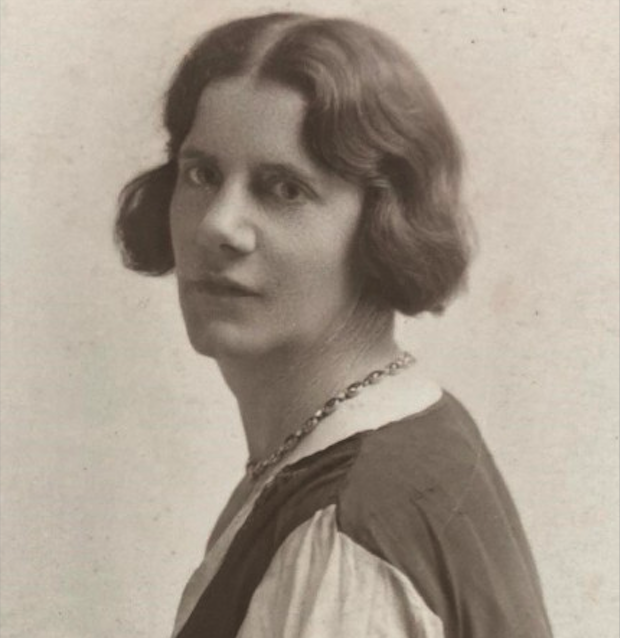
These were the words of Edith Watson (1888-1966), a suffragist, journalist, campaigner, and one of the first women in Britain to wear a police uniform – someone English Heritage overlooked for “not being famous enough.”Hackney-born
Edith was born in the Hackney Union workhouse to a single mother – a domestic servant. When her mother later married, the family moved to Marylebone, where Edith grew up alongside three stepsisters.
With help from her Sunday school teacher’s mother, she secured a place at Hampden Gurney Girls’ School, while contributing to the family’s income by sewing buttons onto shirts.
A survivor
As a young woman, Edith travelled to South Africa to work as a children’s nurse. She later became a Salvation Army captain, despite not being able to afford the uniform.
During her time there, she survived an attempted sexual assault by a fellow officer – an experience that shaped her later campaigning and writing. She left both South Africa and the Salvation Army in 1909.
A suffragistReturning to London, Edith became active in the suffrage movement.
She wrote a column for the Daily Herald and reported for The Vote, the Women’s Freedom League newspaper. Under the ironic heading “The Protected Sex”, she chronicled cases of rape, sexual assault, and incest – exposing the double standards of the justice system.
She would go on to catalogue the sentences given to perpetrators, spotlighting how sex workers could get nine months for approaching clients, while a man guilty of grievously harming a woman might only get a third of the sentence.
Around this time, she met her partner, Ernest. They lived together before marrying – unusual for the time – had a son in 1919, and later divorced. She continued to have live-in relationships after her marriage ended.
Women’s voices
Edith’s court reporting revealed just how absent women’s perspectives were from the legal system. Female journalists were barred from sexual offence trials, leaving male voices to dominate.